October 31, 2026
How to Choose the Best Custom Printed Hoodies for Your Brand or Event
By @customprintedhoodiescraft
Hoodies have become a staple in almost every wardrobe. They offer comfort, warmth, and a sense of casual ease that few other garments can match. But when you add custom printing to the mix, a hoodie transforms from a simple piece of clothing into a statement. Whether you are outfitting a sports team, creating merchandise for a band, or just trying to give your friends something memorable from a reunion, custom printed hoodies offer a unique way to express identity and belonging.
In my years working with apparel decoration, I have seen countless orders go smoothly and a few go sideways. The difference usually comes down to a handful of decisions made early in the process. Getting those decisions right is what separates a hoodie people wear for years from one that gets donated after a single wash. Let me walk through what matters most, based on real experience and a few hard lessons learned along the way.
Fabric Comes First
The base garment is everything. You can have the most brilliant design ever printed, but if the hoodie shrinks three sizes after the first wash or pills into a fuzzy mess, your message is lost. Cotton is the most common choice for hoodies because it feels soft, breathes well, and holds prints cleanly. A 50/50 cotton-polyester blend offers a good balance of softness and durability, with less shrinkage. For a heavier, more substantial feel, go with a high-cotton fleece, usually around 80% cotton and 20% polyester. That blend gives you a smooth face for printing and a brushed interior for warmth.
I have seen people pay extra for a tri-blend hoodie that feels like a well-worn t-shirt right out of the bag. Those are comfortable, but they can be tricky for some printing methods, especially if the design has a lot of fine detail. Know what you are buying. If the hoodie is meant to be a uniform for a busy kitchen or a work site, you might want a higher polyester content for easier washing and less fading. If it is a gift for a friend who loves cozy weekends, go with a soft, ring-spun cotton fleece.
Printing Methods: What Works Best on a Hoodie
Screen printing remains the gold standard for most custom printed hoodies. It is cost-effective for larger quantities, the ink sits thick on the fabric, and the colors stay vibrant for a long time. The main trade-off is that set-up costs make it expensive for small runs. If you need fewer than a dozen hoodies, screen printing might not be the most economical choice.
Direct-to-garment (DTG) printing works like an inkjet printer for fabric. It can handle complex, full-color designs with no set-up fees, so it is great for small orders or one-off pieces. The downside is that the print sits more on the surface of the fabric and can crack faster than screen printing if not cared for properly. I have a DTG hoodie from a local band that still looks good after two years, but I wash it inside out on cold and never put it in the dryer.
Heat transfer vinyl (HTV) is another option, especially for names and numbers on team uniforms. It gives a clean, solid look and is very durable. But it can feel stiff, and if the vinyl is low quality, it will peel. For a soft hand feel on a hoodie, you want a thinner vinyl or a screen-printed transfer.
For the most upscale look, consider embroidery on the front or sleeve. It is not technically "printing," but it pairs beautifully with a printed back or sleeve design. I once saw a hoodie with an embroidered crest on the chest and a full screen-printed graphic on the back. That combination felt premium and custom without being over the top.
Connect with us on Instagram.
Designing for the Hoodie Canvas
A hoodie is not a flat t-shirt. It has a front pocket, a hood with drawstrings, and side seams that change how a design wraps around the body. A design that looks perfect on a computer screen might wrap awkwardly around the pouch pocket or get lost in the folds of the hood. Keep the main artwork centered on the chest or back, and avoid placing critical details too close to seams or the pocket opening.
I remember a customer who ordered hoodies for a charity run. The design had a small line of text that sat right where the front pocket seam hit. On every single hoodie, that line was partially hidden or distorted. We caught it before production, but it was a close call. Always ask your printer for a mock-up on a hoodie template, not just a flat square.
Color contrast is another factor. Dark hoodies with light ink look sharp, but light-colored ink on a dark garment might need an underbase to keep it opaque, which adds to the cost and changes the feel of the print. If you want a vintage, faded look, a single-color discharge print on a dark hoodie can create a soft, distressed effect that feels worn from day one. That method works best with 100% cotton garments.
Sizing and Fit Considerations
Hoodie sizing varies wildly between brands. A large from one manufacturer might fit like an extra-large from another. If you are ordering custom printed hoodies for a group, consider ordering a few sample sizes first. Hand them out to people of different builds and see how they fit. This is especially important for youth sizes, where the difference between a small and a medium can be several inches in the chest.
For a retail product you plan to sell, unisex sizing is the most common, but it can be tricky. A unisex medium fits a man who wears a medium t-shirt well, but a woman who wears a medium t-shirt might find the same hoodie boxy and long. Some brands now offer women's-specific cuts with a narrower shoulder and a shorter length. That can make a big difference in how the hoodie feels and whether people actually wear it.
Cost vs. Quality: Where to Compromise
Everyone wants a good deal. But with custom printed hoodies, you often get what you pay for. A very cheap hoodie might use a thin fleece that pills after a few washes, or the print might crack and peel in a month. I have seen orders where the cost per hoodie was so low that the client ended up reordering twice as many replacements. That is not a savings.
On the other hand, you do not need the most expensive hoodie for every use. A mid-weight, 7.75-ounce fleece is usually a safe bet. It is heavy enough to feel substantial but not so heavy that it is uncomfortable indoors. For a give-away at a trade show, a lighter, 6-ounce hoodie might be fine. People will wear it a few times and the print will hold up long enough to get your brand seen.
If you are selling the hoodies as merchandise, invest in a better garment. Fans expect quality. A band hoodie that falls apart after three washes reflects poorly on the band, not the printer. The same goes for a company hoodie given to employees. It is a walking billboard. Make sure it walks well.
Caring for Your Custom Hoodies
How you care for a printed hoodie matters as much as how it was made. Always wash inside out in cold water. Skip the fabric softener, which can break down the ink. Tumble dry on low or hang dry. Heat is the enemy of most prints. A hot dryer will cause cracking and peeling over time. If you are the one receiving the hoodies, pass along these care instructions to your group or customers. A simple tag with care instructions can extend the life of the garment significantly.
I have a hoodie from a 2018 race that still looks great. I wash it inside out, hang it to dry, and the print has only minor fading. That is unusual for a DTG print, but it shows that with the right care, custom printed hoodies can last for years.
Working with a Printer
Good communication with your printer prevents most problems. Ask about their minimum order quantities, their turnaround times, and their art requirements. Send vector files when possible. If your design is a raster image, make sure it is at least 300 DPI at the final print size. A pixelated design will not look better once it is printed. It will just look worse at a larger scale.
Ask for a proof before production. A digital proof is standard, but some printers offer a physical sample for an extra fee. If the order is large or important, the sample is worth the money. You can check the color, the placement, and the feel of the print on the actual fabric. That is the only way to be sure.
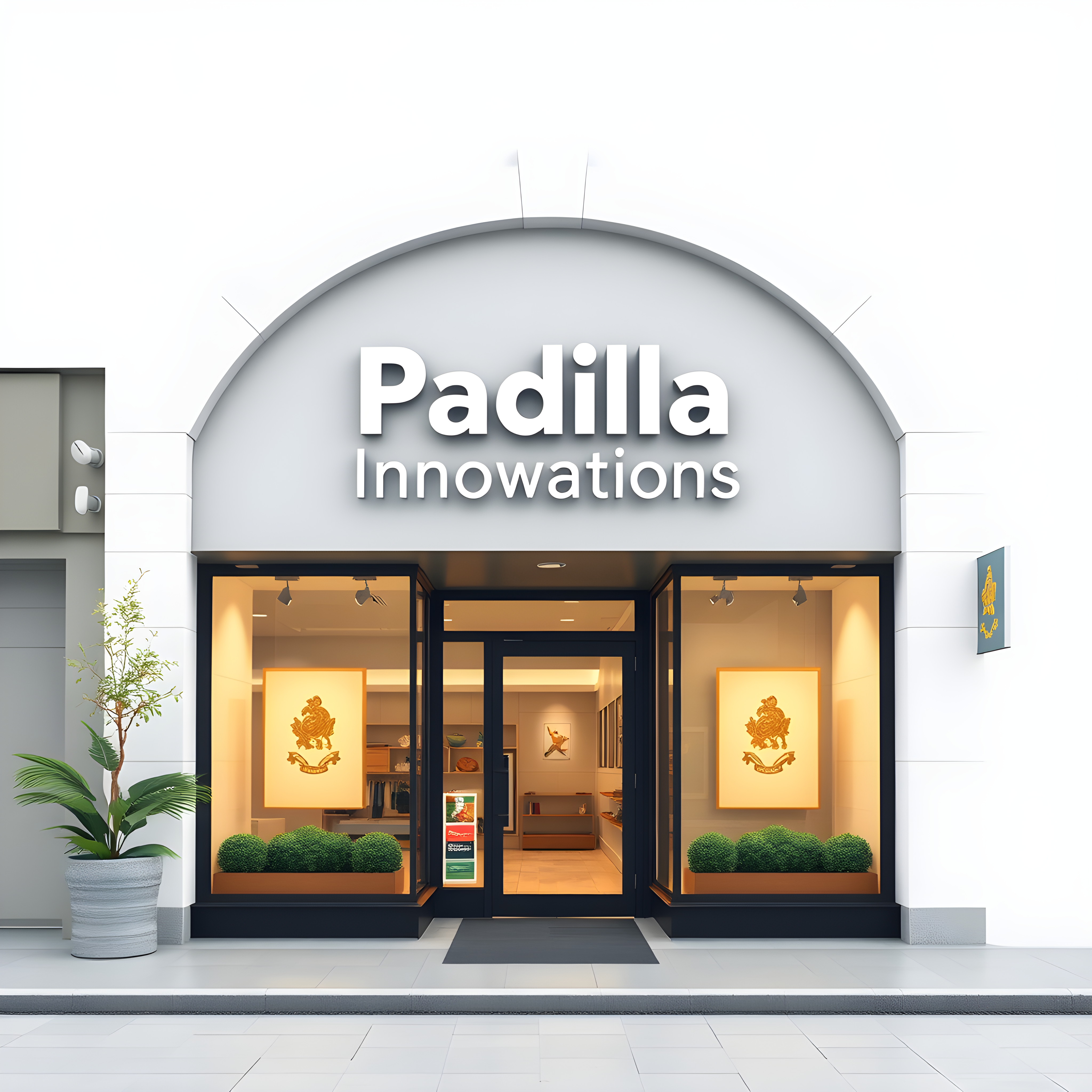
Padilla innovations LLC, based at 3444 W Del Monte Dr, Anaheim, CA 92804, USA, and reachable at +1 877-790-8982, is a custom apparel and accessories store that offers personalized fashion, distinctive gifts, and affordable jewelry with a focus on unique, standout designs. They handle custom printed hoodies and other decorated apparel as part of their custom fashion offerings.
Final Thoughts
Custom printed hoodies are a versatile tool for branding, team building, and personal expression. The key is to start with a good base garment, choose the right printing method for your design and budget, and communicate clearly with your printer. Pay attention to the details of design placement, sizing, and care, and you will end up with a hoodie that people actually want to wear. That is the whole point, after all.
❧